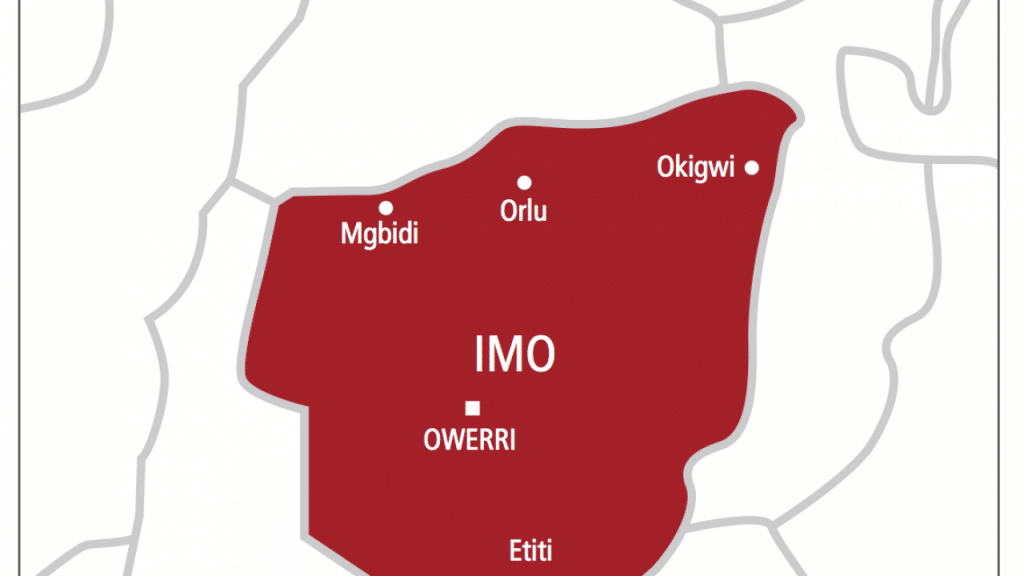
A severe scarcity of sachet and table water has gripped Imo State following a coordinated three-day operational shutdown by members of the Association of Table Water Producers (ATWAP). The hiatus has led to a sharp increase in retail prices and left many households in the state capital, Owerri, struggling to access clean drinking water.
While consumers and some industry insiders characterize the move as a strategic strike intended to force a price increase, the association’s leadership maintains the shutdown was a mandatory “routine maintenance” exercise.
Engr. Bismark Lumanze, Chairman of the Imo State chapter of ATWAP and Southeast Coordinator, denied allegations of a strike action. He explained that the three-day break, which commenced on Monday, March 16, was designed to ensure factories adhere to strict hygienic standards, including filter replacements and deep-cleaning of storage facilities.
“We are not on strike,” Lumanze stated, noting that the association had adjusted prices prior to the break. “This is an annual routine to ensure we produce safe water for consumers. Supplies will officially resume at midnight on Thursday.”
Despite these assurances, the impact on the ground has been immediate. In Owerri, the price of a bag of sachet water jumped from ₦350 to ₦500 within 24 hours. Street hawkers, who previously sold three sachets for ₦100, have reportedly doubled their rates, citing a total lack of fresh supply from manufacturers.
Internal sources within the association, speaking on the condition of anonymity, offered a different perspective, suggesting the shutdown was a tactical response to soaring operational expenses. Producers pointed to the rising costs of packaging nylon and diesel—compounded by global energy market volatility—as factors making current production levels unsustainable.
“We decided to down tools so that the market would feel the scarcity, making the introduction of new prices more acceptable,” one member admitted.
The industry is also facing broader regulatory and environmental pressures. Concerns over plastic waste and potential legislative moves by the Nigerian Senate to further regulate sachet water production have added to the uncertainty within the sector.
As the shutdown concludes on Wednesday, March 18, residents await the resumption of distribution, though many expect the new pricing to remain a permanent fixture of the market.